
TCR-NK platform
Precision targeting meets innate killing power
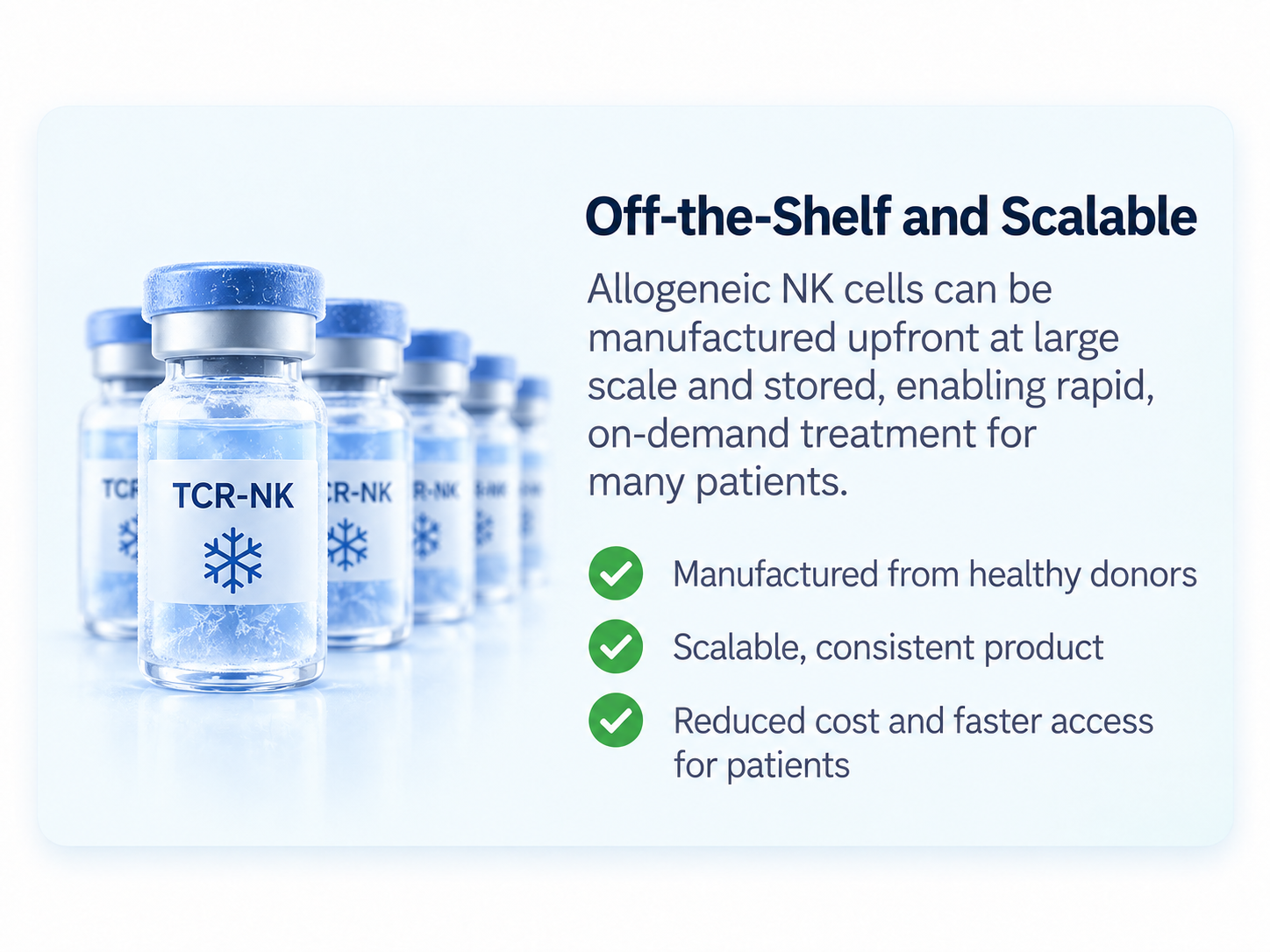
Zelluna’s clinical-stage TCR-NK cells combine TCR-guided tumour recognition with the innate cancer-killing biology of allogeneic NK cells, designed as an off-the-shelf scalable therapy for solid tumours.
The Challenges
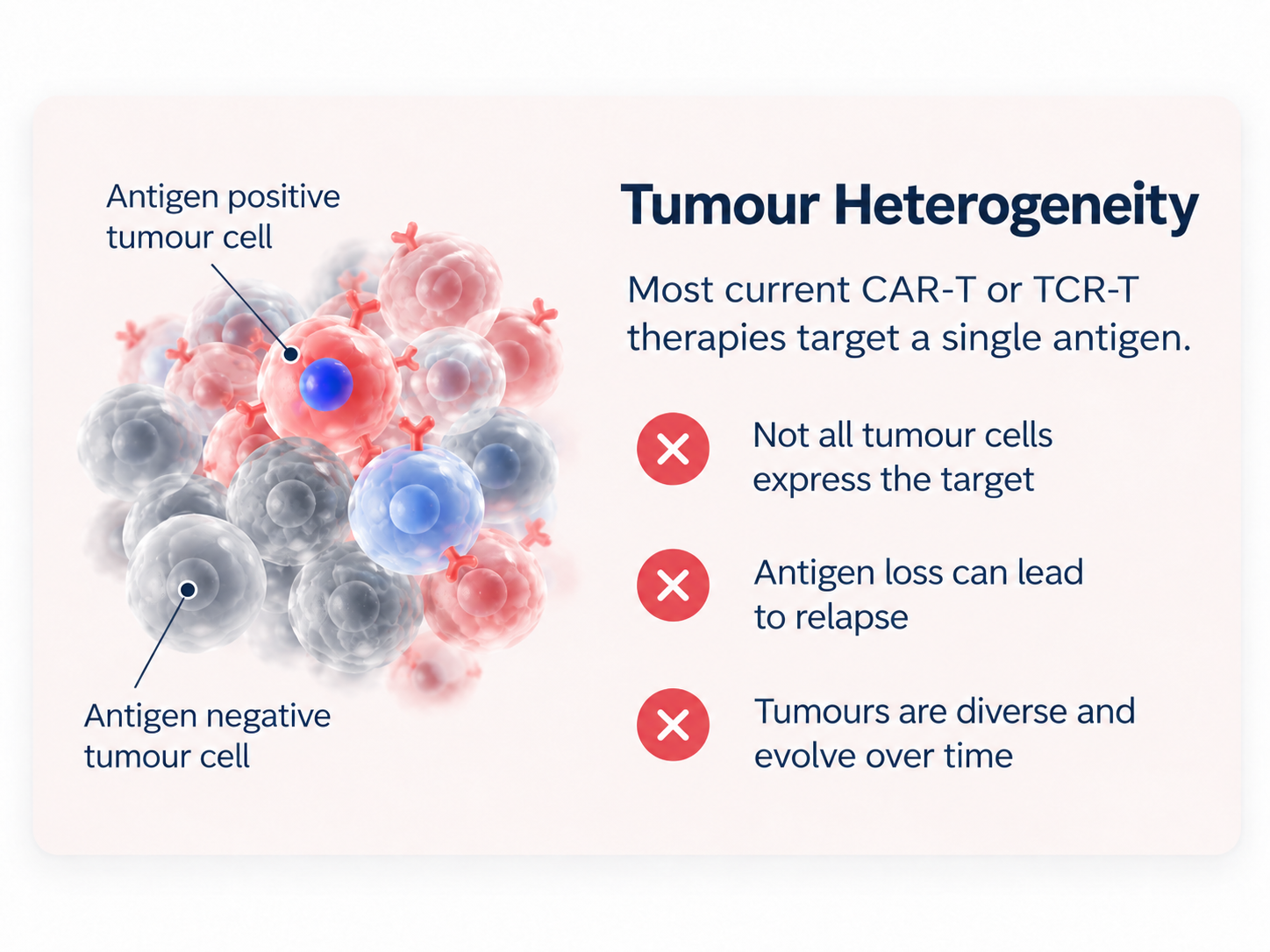
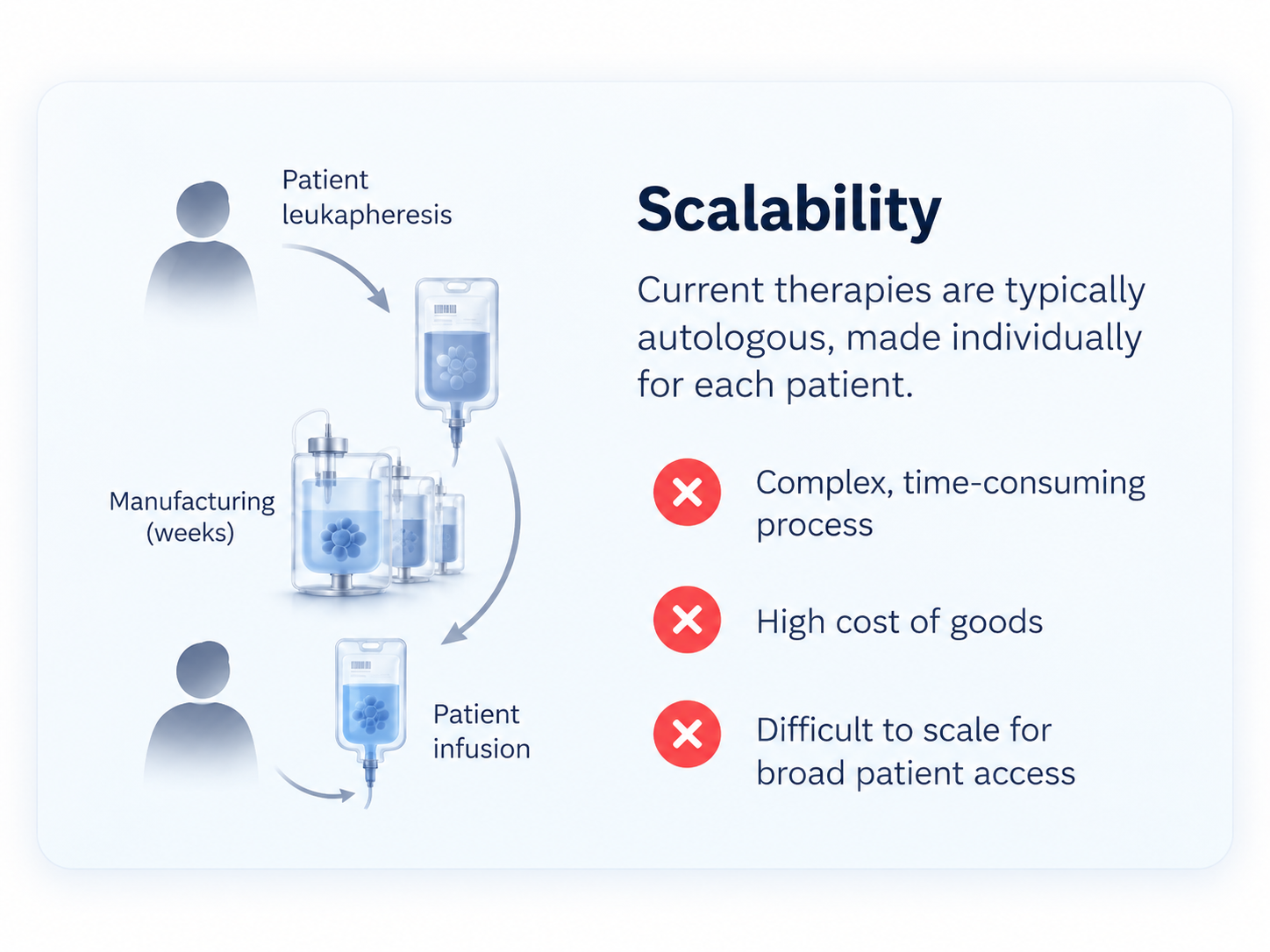
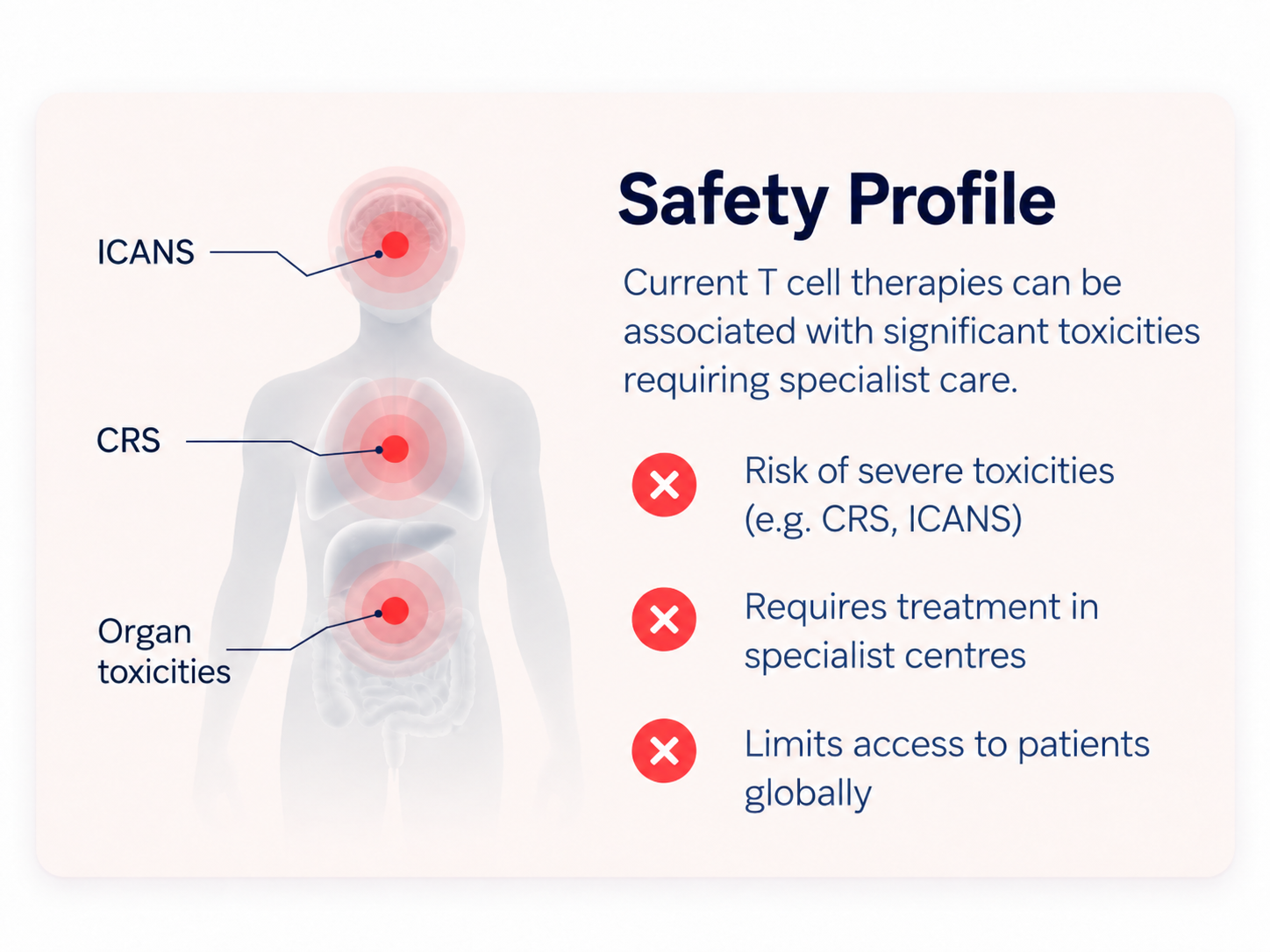
Cell therapies have transformed the treatment of blood cancers, but durable responses in solid tumours remain challenging. Tumour heterogeneity, complex manufacturing and treatment-related toxicities can limit efficacy, scalability and patient access.
The Solution – TCR-NK
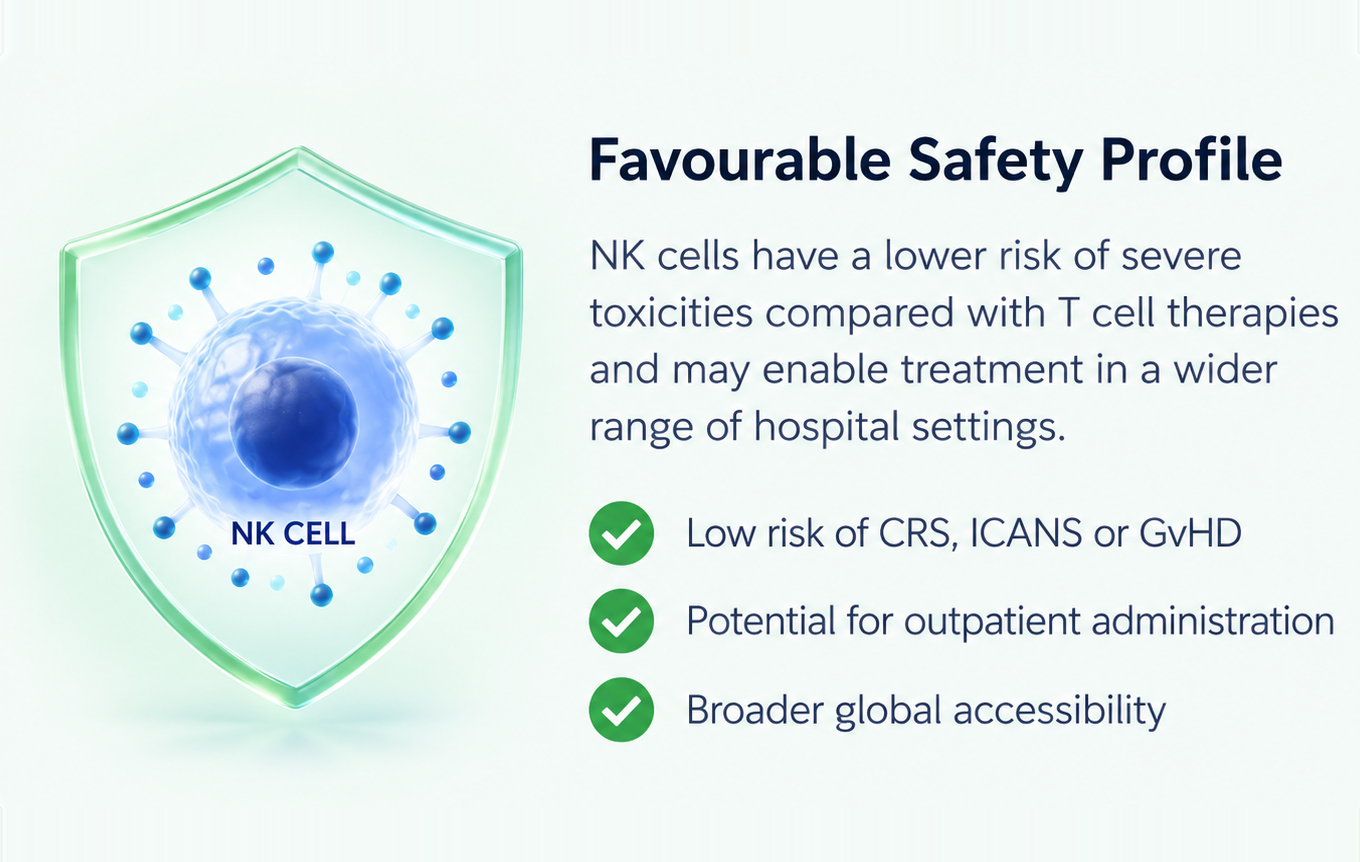
Zelluna’s TCR-NK cells combine the precision of TCR-mediated tumour recognition with the innate cancer-killing capabilities, favourable safety profile and scalability of allogeneic NK cells.
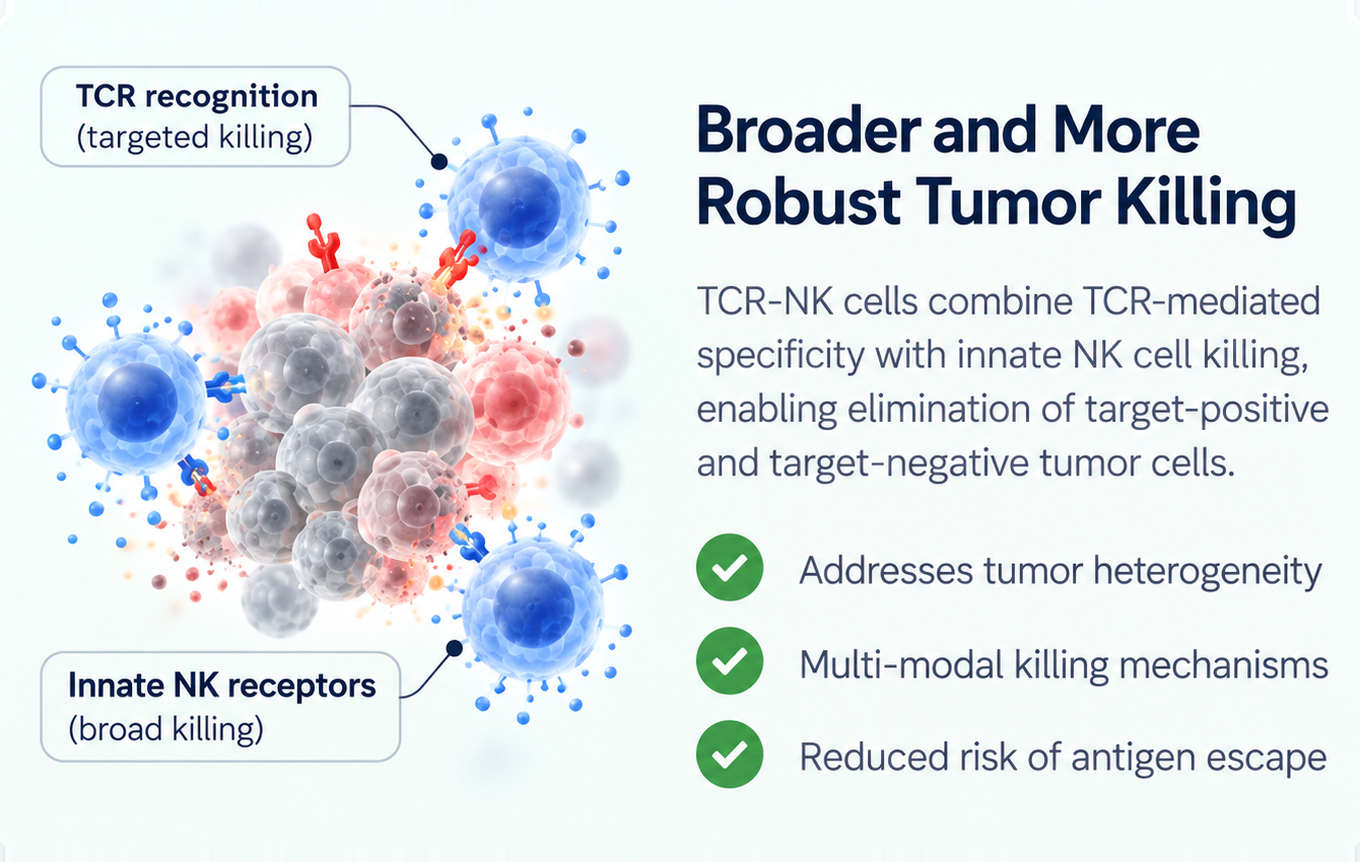
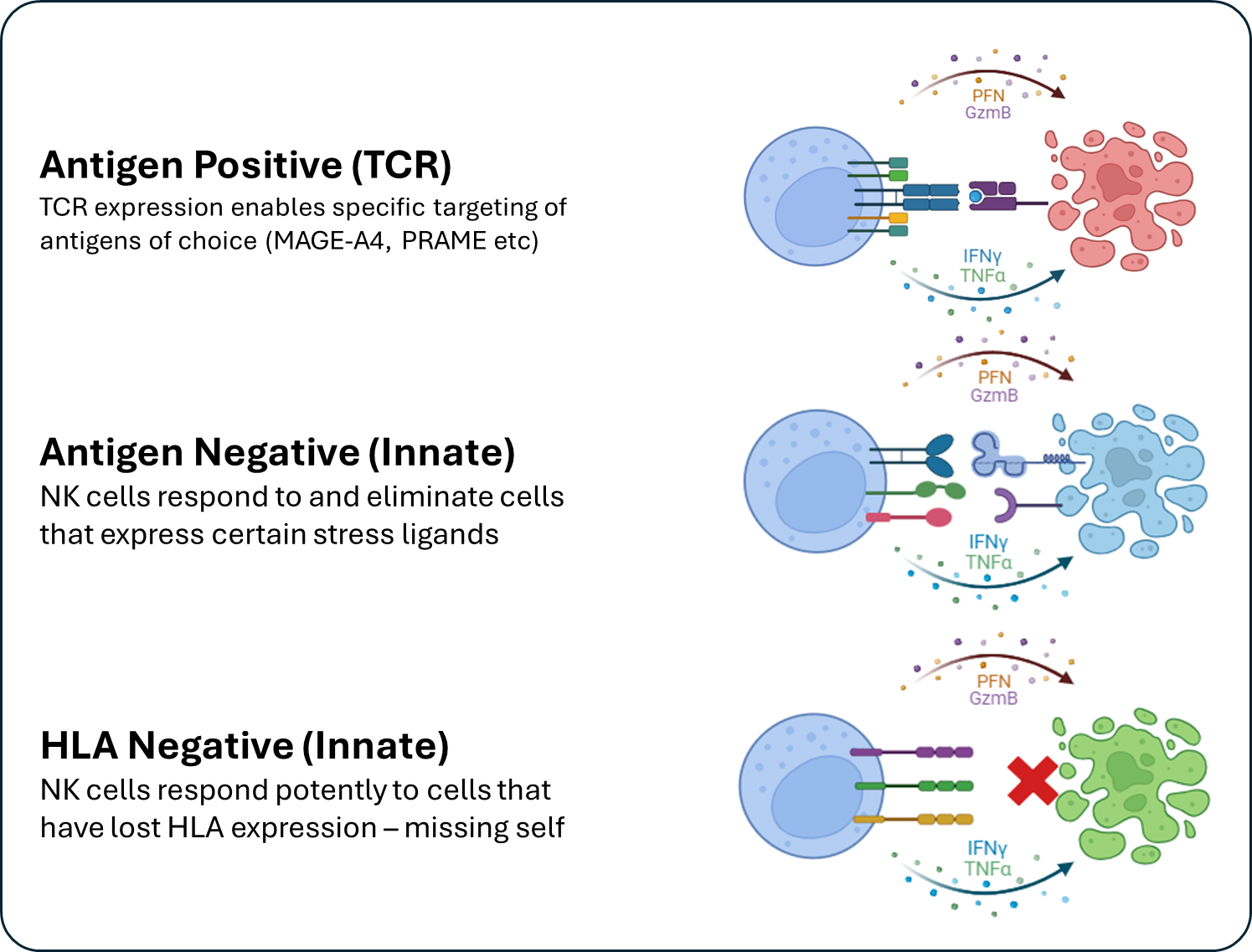
TCR-NK: one cell, multiple ways to recognise and kill cancer
TCR-NK cells combine antigen-specific TCR recognition with innate NK-cell recognition, potentially allowing them to target tumour cells through multiple mechanisms.
On 16 December 2025, preclinical data for the lead candidate, ZI-MA4-1, was published in the peer-reviewed journal Immunotherapy Advances: Preclinical assessment of MAGE-A4-specific TCR-NK cells against solid tumors (16.12.2025)
Clinical development – ZIMA-101
ZI-MA4-1 is the world’s first MAGE-A4-targeting TCR-NK therapy to enter clinical testing. In July 2026, the first patient was dosed in ZIMA-101, a Phase 1 clinical trial evaluating ZI-MA4-1 in patients with solid tumours. The trial is recruiting patients at two UK clinical sites: The Christie NHS Foundation Trust and The Royal Marsden NHS Foundation Trust.
In August 2026, the Independent Data Monitoring Committee completed its planned safety review of the first patient and recommended continued enrolment in the trial.